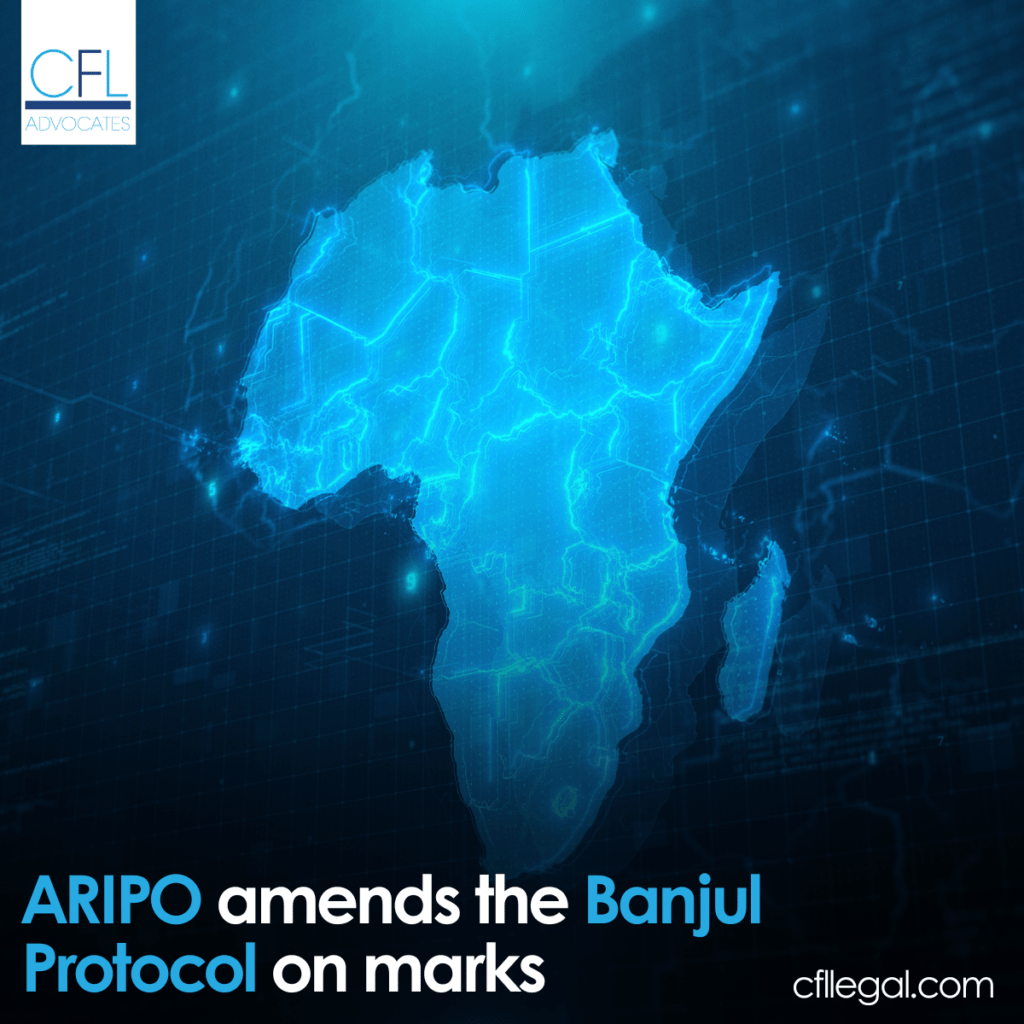
The African Regional Intellectual Property Organization (ARIPO) amended the Banjul Protocol on Marks, together with its Implementing Regulations, prescribed Forms, and Official Fees. The amendments were announced through a Notice issued by the Director General of ARIPO and will enter into force on 1 March 2026.
The amendments will apply to both new and existing trade mark applications and registrations, where applicable. The changes introduce revised fees, clearer procedural rules, and improved organization of the regulations to make the system more efficient and easier to navigate.
Increased official fees
One of the most notable changes introduced by the amendments is an upward revision of official fees payable under the Banjul Protocol. Applicants should therefore anticipate higher costs for ARIPO trade mark filings, renewals, recordals, and related procedures once the amendments take effect.
ARIPO has indicated that the revised fee structure is intended to strengthen its administrative capacity and support improved service delivery across its regional trade mark system.
Some of the fee increments include;
| Fee Type | New 2026 Fee (US$) | Previous Fee (2023) |
| Application (Paper filing) | $200 | $100 |
| Application (Electronic filing) | $160 | $80 |
| Designation (per state, add. class) | $20 | $10 |
| Registration (per state, 1st class) | $150 | $100 |
| Renewal (per state, 1st class) | $200 | $100 |
| Extra Word Fee (after 50 words) | $10 | $5 |
Revised Implementing Regulations and Forms
The amendments introduce revised Implementing Regulations and updated prescribed forms. In particular:
- Electronic filing provisions have been expanded and now expressly reference the ARIPO Online Filing platform and prescribed filing formats.
- Applicants will be required to use the updated forms introduced under the 2026 Edition for all filings made under the Banjul Protocol.
These changes are intended to improve consistency, transparency, and administrative efficiency.
Substantive and Procedural Refinements
- Substantive Examination Timeline
Under the amended Regulations, the period within which a designated state must communicate a refusal has been reduced from nine months to six months from the date of notification. This change is expected to shorten prosecution timelines.
- Exhibition Priority
While exhibition priority was previously referenced only briefly in the application form, the 2026 Edition formally establishes exhibition priority in the Protocol and Implementing Regulations. Applicants may now claim a six-month priority period for marks displayed at official or officially recognised international exhibitions, subject to compliance with the prescribed requirements.
- Computation of Time Limits
The 2026 Regulations introduce a detailed framework for the computation of time limits, specifying how periods expressed in years, months, weeks, or days are to be calculated. This replaces the more limited guidance provided under the previous Rules and is expected to enhance predictability in procedural matters.
- Opposition Proceedings
The provisions previously found in Section 6bis and Rule 11ter, which governed opposition to trade mark applications, have been restructured into Section 30 and Rule 23. These provisions allow any interested party to oppose a mark after its publication in the ARIPO Marks Journal but before registration.
Key features include:
- Filing a Notice of Opposition: Oppositions must be lodged with the ARIPO Office, which transmits them to the applicant and relevant designated states.
- Fee Requirements: A new transmittal fee of US$100 applies. Payment of prescribed fees is necessary for the opposition to be valid.
- Coordination with Designated States: Opposition procedures are conducted according to the national laws of each designated state. Decisions are communicated back to ARIPO and shared with the parties.
- Publication and Registration Impact: Decisions determine whether a mark may be registered in the states where opposition was filed, without affecting registration in other states.
- Settlement via ADR: Parties may withdraw an opposition if a settlement is reached through Alternative Dispute Resolution, in accordance with national laws.
Oppositions proceedings will continue to involve close coordination between the ARIPO Office and designated states, ensuring transparency and consistency.
- Language of Proceedings
For the first time, the Regulations expressly clarify that the official language of proceedings before the ARIPO Office is English, providing certainty on language requirements.
Impact on Existing Applications
The amendments apply not only to new applications but also, where relevant, to pending applications and existing registrations. Trade Mark owners with matters currently before ARIPO should therefore review:
- applicable procedural changes;
- revised timelines; and
- the increased costs associated with registration, renewal, appeals, and opposition proceedings.
Practical Considerations for Brand Owners
Brand owners are advised to:
- review the amended Banjul Protocol, Implementing Regulations, Forms, and Schedule of Fees ahead of 1 March 2026;
- adjust budgets to reflect the increased official fees; and
- seek professional advice on how the amendments may affect existing portfolios and future filing strategies within ARIPO Member States.
Collectively, the 2026 amendments enhance procedural clarity, modernise fee structures, and introduce more detailed regulatory guidance. These reforms strengthen the reliability of the Banjul Protocol framework and reinforce ARIPO’s role as a regional trade mark filing system aligned with international practice.
For further information or assistance with new and existing ARIPO filings under the amended Banjul Protocol, please contact our Intellectual Property team at cfltrademarks@cfllegal.com.